
Lymphatic Care for Shin Splints: A New Approach to Pain Relief
Updated: Apr 7
Understanding Shin Splints and Their Challenges
Shin splints, medically known as medial tibial stress syndrome, involve pain along the inner edge of the shinbone. This condition results from repetitive stress on the shinbone and the connective tissues that attach muscles to the bone. Common causes include:
Overuse during running or jumping activities
Sudden increases in training intensity or duration
Poor footwear or running mechanics
Muscle imbalances and tightness
Hard ground at the start of a season
The pain can range from mild discomfort to severe, limiting mobility and athletic performance. Traditional treatments focus on reducing inflammation and resting the affected area, but these methods do not always address the underlying issues related to fluid buildup and tissue recovery.
What Is Lymphatic Care?
The lymphatic system is a network of vessels and nodes that helps remove waste, toxins, and excess fluid from tissues. It plays a crucial role in immune function and maintaining fluid balance. When the lymphatic system is sluggish or impaired, fluid can accumulate, leading to swelling and delayed healing.
Lymphatic care involves techniques designed to reduce inflammation, decrease swelling, and promote tissue repair. These techniques include:
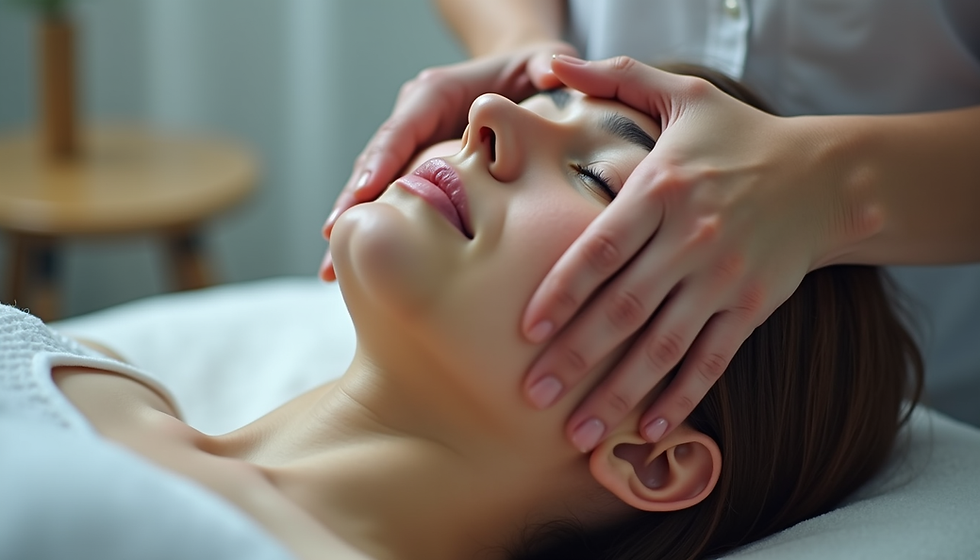
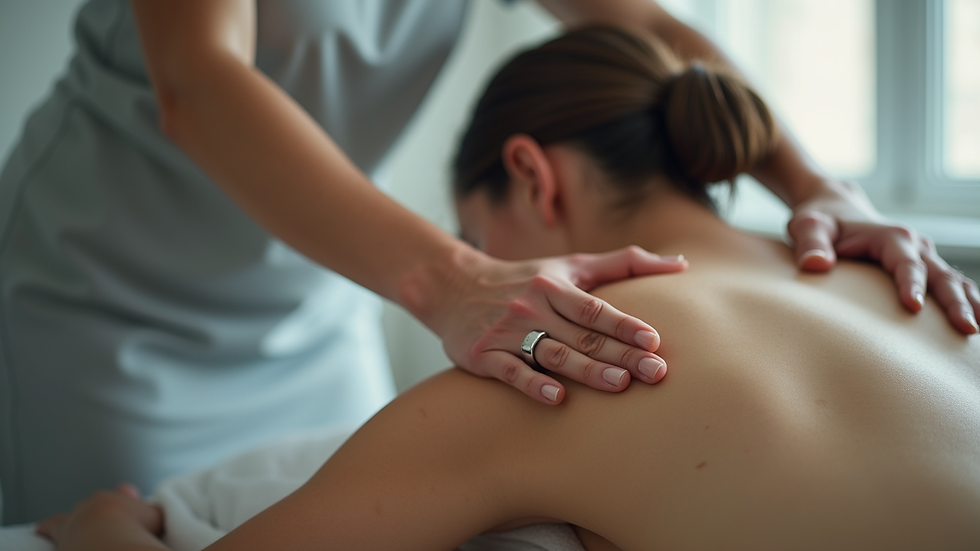
Manual lymphatic drainage (MLD), a gentle massage that encourages lymph movement
Compression therapy to support lymphatic vessels
Scar therapy to break down adhesions, allowing soft tissues to absorb more impact
By improving lymphatic function, these approaches can reduce inflammation and speed recovery in injured tissues.
How Lymphatic Care Changes Shin Splint Treatment
Integrating lymphatic care into shin splint treatment shifts the focus from just managing pain to actively supporting the body's natural healing processes. Here’s how lymphatic care transforms treatment:
1. Reducing Swelling and Fluid Retention
Shin splints often involve inflammation and fluid buildup in the lower leg tissues. Manual lymphatic drainage helps move excess fluid away from the shin area, reducing pressure and pain. Patients often notice decreased swelling within a few sessions, which allows for more comfortable movement and faster rehabilitation.
2. Enhancing Tissue Repair
Improved lymph flow delivers immune cells and nutrients to damaged tissues more efficiently. This supports faster repair of microtears in muscles and connective tissue that contribute to shin splints. Combining lymphatic care with gentle stretching and strengthening exercises creates an environment where healing can progress steadily.
3. Preventing Chronic Issues
Repeated shin splints can lead to chronic pain and tissue damage. Lymphatic care helps prevent this by maintaining healthy fluid balance and reducing the risk of fibrosis (scar tissue formation). Regular lymphatic treatments can be part of a long-term strategy to keep the lower legs healthy and resilient.
4. Complementing Other Therapies
Lymphatic care works well alongside other treatments such as physical therapy, orthotics, and anti-inflammatory measures. It adds a layer of support that addresses fluid dynamics and immune response, which are often overlooked in standard care.
Practical Steps to Incorporate Lymphatic Care
For those treating shin splints or experiencing symptoms, here are practical ways to include lymphatic care:
Seek a trained therapist who specializes in manual lymphatic drainage and physical therapy, such as a Myotherapist or a lymph-trained Remedial Massage therapist for initial sessions.
Use compression sleeves or socks designed to support lymph flow during activity and recovery.
Incorporate gentle leg elevation after exercise to encourage fluid drainage.
Evaluate your rest/train cycle. Look at how you can increase time between training to allow the body to heal itself.
Check your footwear. Is it time to get new shoes? Check the tread as well as the side walls, and if in doubt, seek professional advice from a Podiatrist.
When to Consult a Professional
While lymphatic care offers benefits, it is important to consult healthcare professionals for proper diagnosis and treatment planning. Persistent or severe shin pain may require imaging or evaluation for stress fractures or other conditions. A physical therapist or lymphatic specialist can tailor treatments to individual needs and monitor progress.
Final Thoughts on Lymphatic Care for Shin Splints
I don't want you to think that a featherlight manual lymphatic drainage massage will be your saving grace with the majority of shin splints. It really is the full scope of lymphatic therapy—the scar work, compression, and anti-inflammatory manual lymph drainage—that seems to make a difference as early intervention for shin splints.
Integrating lymphatic care into your routine can be a game-changer. It offers a holistic approach to recovery, helping you regain mobility and reduce pain. If you're looking for lasting relief, consider exploring these techniques. They might just be the key to getting back on your feet.

Comments