
Exploring the Basics of Cranial Sacral Therapy Benefits
If you’ve been searching for gentle ways to ease pain, reduce stress, or improve your movement, you might have come across cranial sacral therapy. It’s a hands-on approach that feels calming and subtle but can have powerful effects on your body. I want to share what I’ve learned about this therapy and how it might help you feel better in your daily life.
What Is Cranial Sacral Therapy?
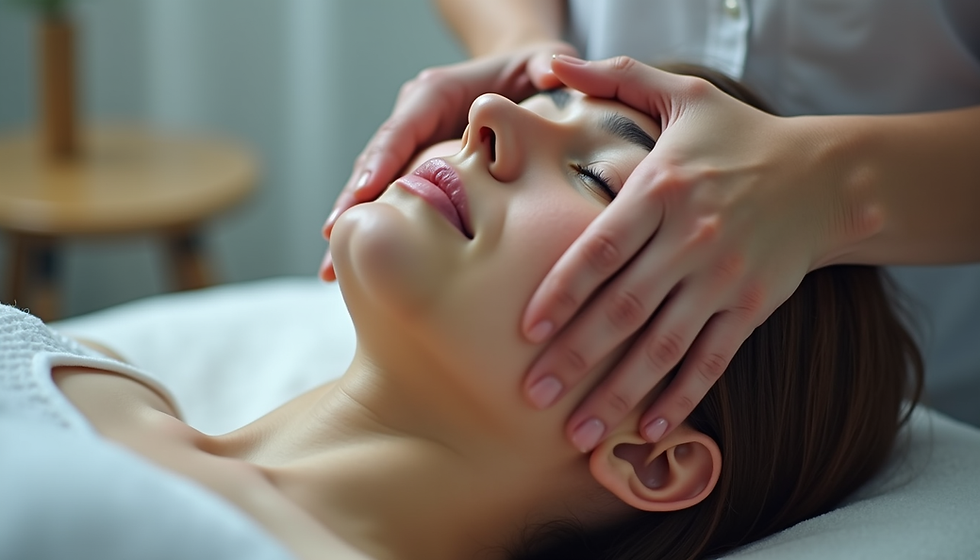
Before diving deeper, let’s clarify what is cranial sacral therapy. It’s a gentle, non-invasive treatment that focuses on the craniosacral system. This system includes the membranes and fluid surrounding your brain and spinal cord. The therapist uses light touch to release tension and improve the flow of cerebrospinal fluid.
The idea is that by easing restrictions in this system, your body can heal itself more effectively. It’s not about cracking bones or deep tissue massage. Instead, it’s a soft, rhythmic approach that encourages relaxation and balance.

Cranial Sacral Therapy Benefits You Can Expect
One of the reasons I find cranial sacral therapy so appealing is because of its wide range of benefits. Here are some of the most common ones people experience:
Pain relief: Many people come to therapy with headaches, neck pain, or back pain. The gentle touch can help reduce muscle tension and ease discomfort.
Stress reduction: The calming nature of the therapy helps lower stress levels. You might feel more relaxed and centred after a session.
Improved movement: By releasing restrictions in the craniosacral system, your body can move more freely. This can be especially helpful if you’ve had injuries or chronic stiffness.
Better sleep: Relaxation from the therapy often leads to improved sleep quality.
Enhanced overall wellbeing: Many clients report feeling more balanced emotionally and physically.
If you’re dealing with chronic pain or stress, cranial sacral therapy might be a gentle way to support your healing journey.

Does Craniosacral Therapy Actually Work?
You might be wondering if cranial sacral therapy really works or if it’s just a placebo. The truth is, many people find it helpful, but results can vary. Here’s what I’ve found:
Personal experiences matter: Some people feel immediate relief, while others notice gradual improvements over several sessions.
Scientific research is limited but promising: There are studies showing benefits for conditions like migraines, fibromyalgia, and stress-related disorders. However, more research is needed to fully understand how it works.
It’s safe and gentle: Because the therapy is non-invasive, it’s low risk. This makes it a good option to try if you want a natural approach to pain and stress relief.
If you decide to try cranial sacral therapy, it’s important to find a qualified therapist who listens to your needs and tailors the treatment to you.
What to Expect During a Cranial Sacral Therapy Session
If you’re new to this therapy, you might be curious about what happens during a session. Here’s a simple breakdown:
Initial chat: The therapist will ask about your health history and what you want to achieve.
Comfortable positioning: You’ll usually lie down fully clothed on a massage table.
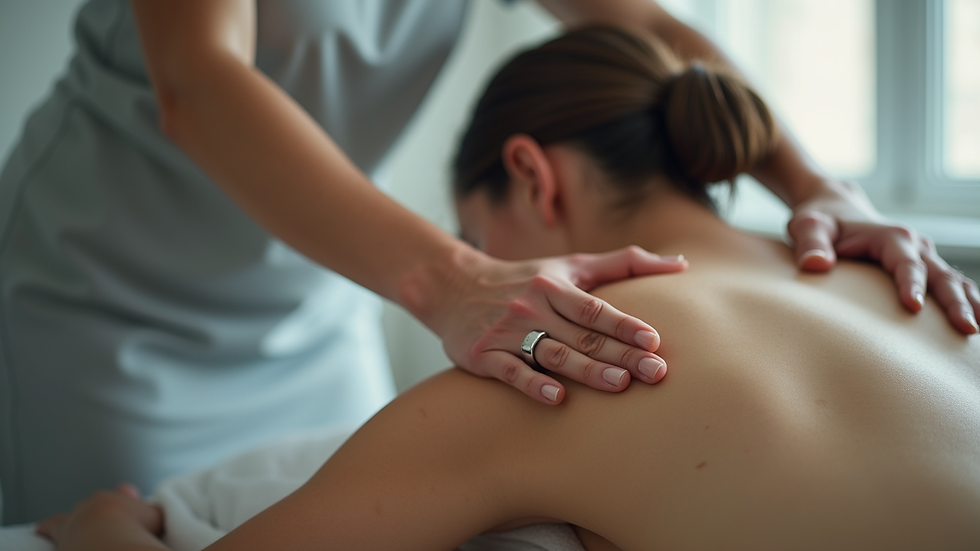
Gentle touch: The therapist uses light hands-on techniques, often on your head, neck, and back.
Relaxation: The session is very calming. You might feel sleepy or deeply relaxed.
Feedback: After the session, the therapist may discuss what they noticed and suggest follow-up treatments.
Sessions typically last between 30 to 60 minutes. Many people find the experience soothing and look forward to their next visit.
How to Choose the Right Therapist in Ringwood East
Finding the right therapist can make all the difference. Here are some tips to help you choose:
Check qualifications: Look for someone trained specifically in cranial sacral therapy.
Read reviews: See what other clients say about their experience.
Ask questions: Don’t hesitate to call and ask about their approach and how they tailor treatments.
Comfort level: You should feel comfortable and safe with your therapist.
Location and accessibility: Choose a clinic that’s easy to get to, so you can keep up with your sessions.
At Body Restored in Ringwood East, the focus is on helping you find lasting relief through expert, personalised care. They understand how important it is to feel supported on your healing journey.
Taking the First Step Toward Relief
If you’re ready to explore a gentle, effective way to reduce pain, ease stress, and improve your movement, cranial sacral therapy might be the answer. It’s a natural, calming approach that works with your body’s own healing abilities.
Remember, every body is different. Give yourself time to experience the benefits and communicate openly with your therapist. With the right support, you can find a path to feeling better and moving more freely.
I hope this guide helps you understand cranial sacral therapy and how it might fit into your wellness routine. If you’re in Ringwood East and want to learn more, consider reaching out to a local expert who can guide you through the process.
Thank you for reading! Here’s to your health and wellbeing.

Comments