
Understanding Lymphatic Drainage and Lymphatic Therapy
Updated: Jun 1
What Is Lymphatic Drainage?
Lymphatic drainage is a specific technique designed to stimulate the flow of lymph fluid through the lymphatic vessels. This fluid carries waste products, toxins, and immune cells throughout the body. When lymph flow slows down or becomes blocked, swelling and discomfort can occur.
How Lymphatic Drainage Works
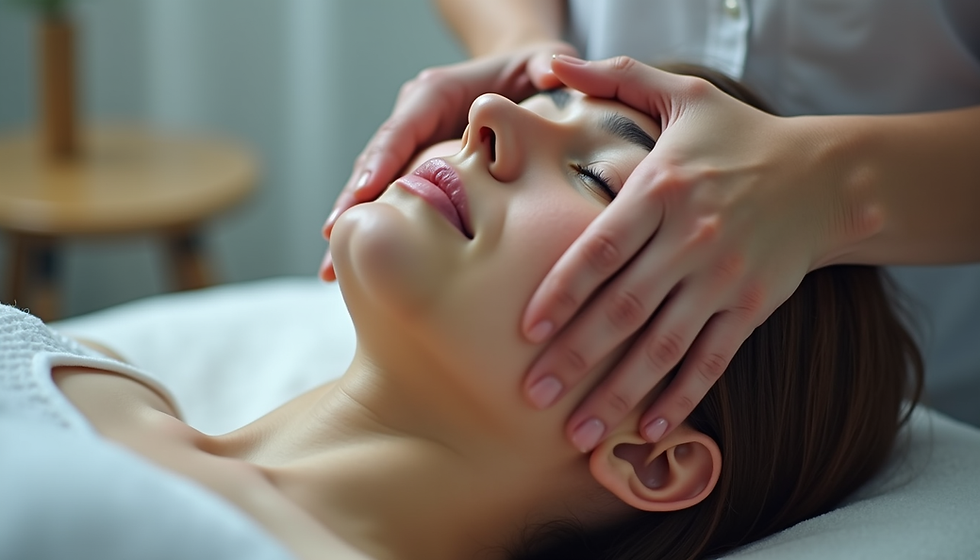
It involves gentle, rhythmic massage movements that encourage lymph fluid to move toward lymph nodes.
The technique targets specific areas where lymph nodes are concentrated, such as the neck, armpits, and groin.
The massage is light and slow, unlike traditional deep tissue massages, to avoid compressing the lymph vessels.
Benefits of Lymphatic Drainage
Reduces swelling caused by fluid retention or injury.
Supports detoxification by helping remove waste from tissues.
Enhances immune system function by improving lymph circulation.
Promotes relaxation and reduces stress.
Lymphatic drainage is often used after surgery, injury, or in cases of lymphedema, a condition where lymph fluid accumulates and causes swelling.
What Happens During a Lymphatic Therapy Session?
A lymphatic therapy session is a broader term that includes lymphatic drainage but may also incorporate other treatments and assessments tailored to individual needs.
Components of a Lymphatic Therapy Session
Initial Assessment: The therapist evaluates your lymphatic system health, swelling, and any underlying conditions.
Customized Treatment Plan: Based on the assessment, the therapist decides which techniques to use, which may include lymphatic drainage massage, compression therapy, exercise recommendations, and skincare advice.
Hands-On Techniques: Besides lymphatic drainage, the therapist might use manual lymphatic techniques, myofascial release, laser, or compression therapy.
Education and Guidance: Therapists often teach self-care methods to maintain lymphatic health between sessions.
Who Can Benefit from Lymphatic Therapy?
People recovering from surgery or injury.
Individuals with chronic swelling or lymphedema.
Those seeking to improve immune function or detoxification.
Patients with fibromyalgia or chronic fatigue syndrome, where lymphatic support may ease symptoms.
Key Differences Between Lymphatic Drainage and Lymphatic Therapy Sessions
Lymphatic drainage is a type of massage that opens and moves fluid from one place to another with the aim to move it out of the body.
Lymphatic therapy uses lymphatic drainage along with other tools and modalities to not only move fluid out of the body but also break down scar tissues, fibrosis, and look at the function of the body and how it helps and hinders an individual's lymphatic flow.
Practical Examples
Imagine you have mild swelling after a minor injury. A lymphatic drainage session might be enough to reduce the swelling and speed healing. The therapist would use gentle massage to move fluid away from the injured area.
On the other hand, if you have chronic lymphedema after cancer surgery, a lymphatic therapy session would be more appropriate. The therapist would assess your condition, provide drainage massage, recommend compression garments, and teach you exercises to manage swelling long-term.
What to Expect During Your Visit
When booking a session, clarify whether you want a lymphatic drainage massage or a full lymphatic therapy session. Here’s what you can expect:
Lymphatic Drainage: The therapist will focus on gentle, repetitive strokes to stimulate lymph flow. You may feel relaxed and notice reduced puffiness after the session.
Lymphatic Therapy: The session starts with a detailed consultation. The therapist may combine different techniques and provide advice for ongoing care.
How to Choose the Right Option for You
If you want a relaxing massage to support your lymphatic system or reduce minor swelling, lymphatic drainage is a good choice.
If you have a medical condition affecting your lymphatic system, such as lymphedema or post-surgical swelling, seek a lymphatic therapy session with a trained therapist.
Always consult with a healthcare professional if you have serious health concerns before starting any treatment.
Tips for Maximizing the Benefits
Stay hydrated before and after sessions to help flush toxins.
Follow any self-care instructions provided by your therapist.
Combine treatments with a healthy diet and regular exercise.
Avoid tight clothing that can restrict lymph flow.
Conclusion
Understanding the differences between lymphatic drainage and lymphatic therapy is essential for making informed choices about your health. Each option has unique benefits tailored to different needs. Whether you're looking for relaxation or addressing specific health concerns, the right treatment can help you feel your best.
If you’re interested in exploring these therapies, consider reaching out to a local expert. They can guide you in choosing the best option for your situation. Remember, your well-being is a priority, and taking steps toward better health is always a positive move.
For more information on how to support your lymphatic system, check out Body Restored. They are dedicated to helping you find lasting relief from pain, reduce stress, and improve movement.


Comments