
Understanding the Cranial Sacral Therapy Benefits
If you’ve been searching for a gentle way to ease pain, reduce stress, or improve your movement, cranial sacral therapy might be just what you need. I’ve seen how this subtle, hands-on approach can make a real difference. It’s not about force or quick fixes. Instead, it’s about tuning into your body’s natural rhythms and helping it heal itself.
Let me walk you through what cranial sacral therapy is, why it works, and how it could help you feel better every day.
What Are the Cranial Sacral Therapy Benefits?
Cranial sacral therapy offers a range of benefits that go beyond just physical relief. When I first tried it, I was surprised by how calming and restorative the experience was. Here are some of the key benefits you can expect:
Pain Relief: Whether it’s headaches, neck pain, or back discomfort, this therapy targets the root causes.
Stress Reduction: The gentle touch and slow pace encourage deep relaxation. This can lower your stress hormones and help you feel more balanced.
Improved Movement: By freeing restrictions in your body’s structure, you may notice better flexibility and ease of movement.
Enhanced Sleep Quality: Many people report sleeping more soundly after sessions.
Boosted Immune Function: Relaxation and improved circulation can support your body’s natural defenses.
The beauty of cranial sacral therapy is that it works on multiple levels. It’s not just about fixing one symptom but supporting your whole body’s health.

How Does Cranial Sacral Therapy Work?
You might wonder how such a light touch can have such powerful effects. The key lies in the craniosacral system, which includes the membranes and fluid surrounding your brain and spinal cord. This system has a subtle rhythm, like a slow pulse, that can be felt by a trained therapist.
During a session, the therapist uses gentle pressure to detect and release restrictions in this system. This helps restore the natural flow of cerebrospinal fluid, which supports the nervous system and overall health.
Think of it like tuning a musical instrument. When the strings are tight or loose, the sound is off. Cranial sacral therapy helps bring your body back into harmony.
If you want to learn more about what is cranial sacral therapy, this link offers a clear and detailed explanation.
What Is Craniosacral Therapy Used For?
This therapy is versatile and can be used for a variety of conditions. Here are some common reasons people seek it out:
Chronic Pain: Conditions like fibromyalgia, migraines, and TMJ often respond well.
Stress and Anxiety: The calming effect helps reduce mental and emotional tension.
Injuries: It supports recovery from whiplash, concussions, and other trauma.
Postural Issues: By addressing imbalances, it can improve posture and reduce strain.
Sleep Disorders: Helps promote deeper, more restful sleep.
Digestive Problems: Some find relief from symptoms like IBS through improved nervous system function.
Each session is tailored to your needs. The therapist listens to your body and works gently to encourage healing.

What to Expect During a Cranial Sacral Therapy Session
If you’re new to this therapy, you might be curious about what happens during a session. Here’s a simple breakdown:
Comfortable Setting: You’ll lie down fully clothed on a massage table in a quiet, relaxing room.
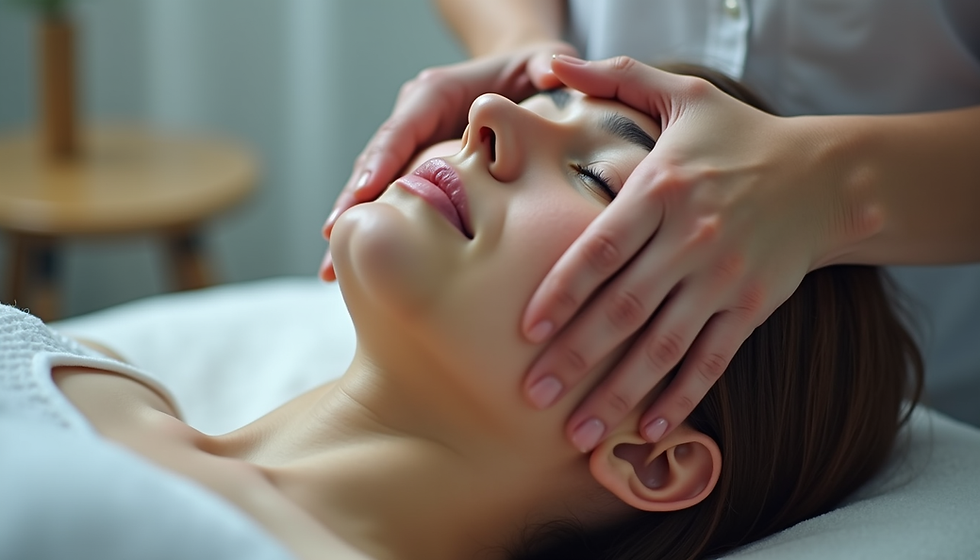
Gentle Touch: The therapist places their hands lightly on your head, neck, or other areas to feel the craniosacral rhythm.
Subtle Movements: Using very gentle pressure, they work to release restrictions and encourage fluid movement.
Relaxation: Many people feel deeply relaxed, sometimes even drifting off to sleep.
Duration: Sessions usually last between 45 minutes to an hour.
Afterwards, you might feel calm, refreshed, or notice subtle changes in your body. Some people experience immediate relief, while for others, benefits build over several sessions.
How to Find the Right Therapist and Maximise Your Results
Choosing the right therapist is important. Look for someone who is experienced and makes you feel comfortable. Here are some tips:
Check Qualifications: Ensure they have proper training in cranial sacral therapy.
Ask About Experience: Find out if they have worked with your specific concerns.
Trust Your Instincts: You should feel safe and supported during sessions.
To get the most from your therapy:
Be Open: Share your symptoms and any concerns honestly.
Stay Hydrated: Drinking water helps flush out toxins released during treatment.
Rest: Give your body time to integrate the changes.
Follow Up: Regular sessions may be needed for lasting benefits.
If you live in Ringwood East, finding a local expert can make it easier to commit to your treatment plan and get consistent care.
Embracing a Healthier, More Balanced You
Cranial sacral therapy benefits go beyond just easing pain. It’s about reconnecting with your body’s natural ability to heal and thrive. Whether you’re dealing with chronic discomfort or just want to feel more relaxed and balanced, this therapy offers a gentle, effective path forward.
I encourage you to explore this approach and see how it can support your wellbeing. With the right guidance and care, you can experience lasting relief and improved movement that helps you enjoy life more fully.
If you’re ready to take the next step, consider booking a session with a trusted local therapist. Your body will thank you for it.


Comments