
Understanding Cranial Sacral Therapy: Exploring Cranial Sacral Therapy and Its Benefits
If you’ve been searching for a gentle way to ease pain, reduce stress, or improve your movement, you might have come across cranial sacral therapy. It’s a hands-on approach that feels soothing and subtle, yet it can have powerful effects on your body and mind. I want to share what I’ve learned about this therapy and how it might help you feel better in your daily life.
Understanding Cranial Sacral Therapy
Cranial sacral therapy is a gentle, non-invasive treatment that focuses on the craniosacral system. This system includes the membranes and fluid that surround your brain and spinal cord. By using light touch, a therapist can detect and release restrictions in this system, which may improve the flow of cerebrospinal fluid and promote healing.
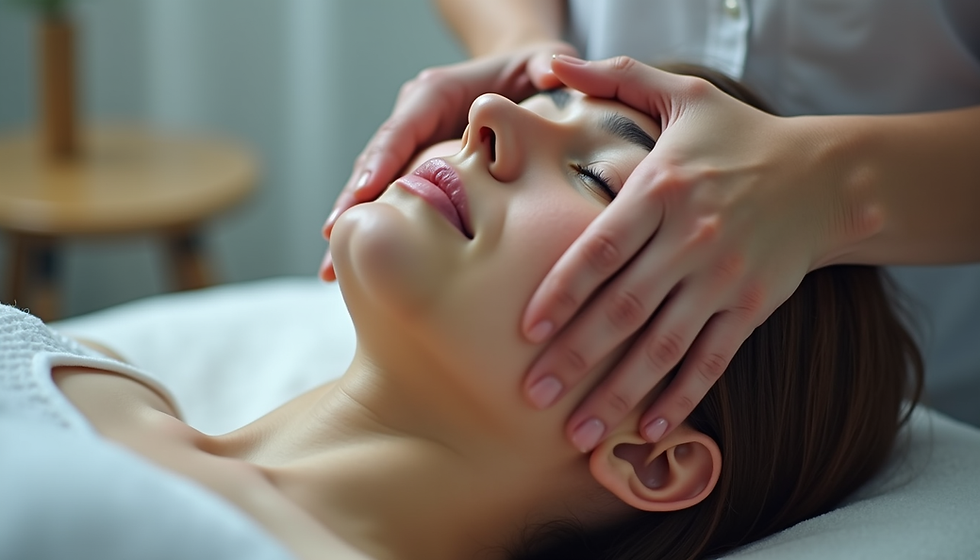
If you’re curious about what is cranial sacral therapy, it’s essentially a way to support your body’s natural rhythms and encourage balance. The therapist’s hands rest lightly on your head, neck, or back, feeling for subtle movements. These movements can reveal areas where tension or blockages exist.
This therapy is often used to address a variety of issues, including headaches, neck and back pain, stress, and even some chronic conditions. It’s a gentle approach, making it suitable for people of all ages, including children and older adults.

How Cranial Sacral Therapy Can Help You
One of the reasons I find cranial sacral therapy so appealing is how it works with your body’s natural healing processes. Here are some benefits you might experience:
Pain relief: By releasing tension in the craniosacral system, you may notice a reduction in headaches, neck pain, or back discomfort.
Stress reduction: The gentle touch and calming environment can help lower stress levels and promote relaxation.
Improved movement: When restrictions are eased, your body can move more freely and comfortably.
Better sleep: Many people report improved sleep quality after sessions.
Enhanced overall wellbeing: The therapy supports your nervous system, which can boost your mood and energy.
For example, if you’ve been dealing with persistent tension headaches, cranial sacral therapy might help by easing the tightness around your head and neck. Or, if stress has been affecting your sleep, the calming effect of the therapy could help you rest more deeply.
Does Cranial Sacral Therapy Actually Work?
You might be wondering if cranial sacral therapy really delivers on its promises. The truth is, many people find it helpful, but results can vary. Some studies suggest it can reduce pain and improve quality of life, especially when combined with other treatments.
The therapy’s gentle nature means it’s low risk, which is a big plus. However, it’s important to have realistic expectations. It’s not a quick fix or a cure-all, but rather a supportive therapy that can complement other health approaches.
If you decide to try it, look for a trained therapist who listens to your concerns and tailors the treatment to your needs. Your experience will depend a lot on the skill and sensitivity of the practitioner.

What to Expect During a Session
If you’re new to cranial sacral therapy, here’s what a typical session might look like:
Initial chat: The therapist will ask about your health history and what you hope to achieve.
Comfortable positioning: You’ll lie down fully clothed on a massage table, usually on your back.
Gentle touch: The therapist places their hands lightly on your head, neck, or other areas.
Subtle movements: You might feel gentle pulses or a sense of release as tension eases.
Relaxation: Many people feel deeply relaxed or even sleepy during the session.
Aftercare advice: The therapist may suggest stretches, hydration, or follow-up sessions.
Sessions typically last between 30 and 60 minutes. You might notice immediate benefits, or it could take a few sessions to feel changes.
How to Find the Right Therapist in Ringwood East
If you’re in Ringwood East and want to try cranial sacral therapy, it’s important to find a therapist you trust. Here are some tips:
Check qualifications: Look for someone trained in cranial sacral therapy.
Ask questions: Don’t hesitate to call and ask about their approach and what to expect.
Consider convenience: Choose a location that’s easy to get to, so you don't have to rush.
Look for a welcoming environment: The right therapist will make you feel comfortable and heard.
Body Restored is one local option that aims to provide expert care in a warm, supportive setting. They focus on helping people find lasting relief from pain, reduce stress, and improve movement through specialized treatments.
Taking the Next Step Toward Relief
Trying cranial sacral therapy could be a gentle way to support your body and mind. Whether you’re dealing with pain, stress, or movement issues, this therapy offers a calming, hands-on approach that respects your body’s natural rhythms.
If you decide to explore it, remember to be patient with yourself and the process. Healing takes time, and every body responds differently. With the right therapist and a bit of openness, you might find a new path to feeling restored and balanced.
Give yourself permission to try something new. Your body might thank you for it.


Comments