
The Basics of Cranial Sacral Therapy Benefits
If you’ve been searching for a gentle way to ease pain, reduce stress, or improve your movement, cranial sacral therapy might be just what you need. This therapy is subtle but powerful. It works with your body’s natural rhythms to help you feel better from the inside out. I want to share what I’ve learned about this approach and how it can support your wellbeing.
Understanding Cranial Sacral Therapy Benefits
Cranial sacral therapy offers many benefits that go beyond just pain relief. It’s a hands-on technique that focuses on the craniosacral system - the membranes and fluid surrounding your brain and spinal cord. By gently working with this system, therapists can help your body release tension and restore balance.
Some of the key benefits include:
Pain relief: It can ease headaches, neck pain, back pain, and joint discomfort.
Stress reduction: The gentle touch promotes deep relaxation, helping to calm your nervous system.
Improved movement: By releasing restrictions, it supports better mobility and flexibility.
Enhanced sleep: Many people find they sleep more soundly after sessions.
Emotional balance: It can help reduce anxiety and promote a sense of wellbeing.
These benefits make cranial sacral therapy a great option if you want a natural, non-invasive way to support your health.

How Cranial Sacral Therapy Works
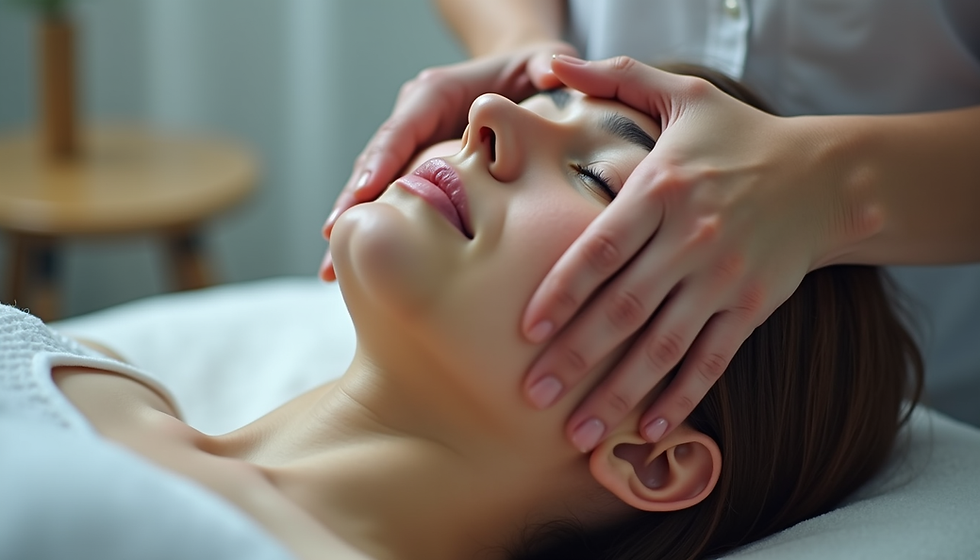
The therapy is very gentle. A practitioner uses light touch, usually no more than the weight of a nickel, to feel the rhythm of your craniosacral system. This rhythm is subtle but important. It reflects the movement of cerebrospinal fluid around your brain and spinal cord.
When the flow of this fluid is restricted, it can cause pain and tension. The therapist’s touch helps release these restrictions. This allows your body to heal naturally. The process is slow and calming, often described as deeply relaxing.
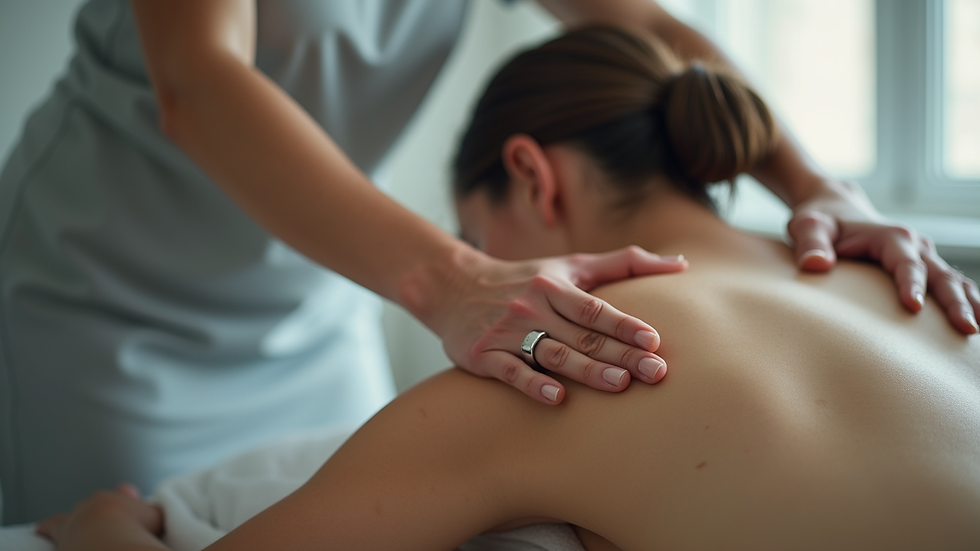
During a session, you lie fully clothed on a massage table. The therapist may place their hands on your head, neck, or back. They listen with their hands to the rhythm and gently guide your body to release tension.
This therapy is safe for all ages, from babies to older adults. It’s especially helpful if you want a gentle approach without strong manipulation or force.
What is craniosacral therapy used for?
Cranial sacral therapy is used to address a wide range of issues. It’s not just for pain relief but also for improving overall health. Here are some common uses:
Chronic pain: Conditions like fibromyalgia, migraines, and arthritis often respond well.
Injuries: It can support recovery from whiplash, concussions, and sports injuries.
Stress and anxiety: The calming effect helps reduce mental and emotional tension.
Sleep problems: It promotes relaxation that can improve sleep quality.
Post-surgery recovery: It aids in reducing scar tissue and improving mobility.
Developmental issues: For children, it can support conditions like colic or sensory processing difficulties.
If you’re dealing with any of these, cranial sacral therapy might be a helpful addition to your care plan.

What to Expect During Your First Session
If you’re new to cranial sacral therapy, you might wonder what happens in your first visit. Here’s a simple overview:
Initial chat: The therapist will ask about your health history and what you want to achieve.
Assessment: They may gently feel your craniosacral rhythm to identify areas of tension.
Therapy session: You’ll lie down comfortably while the therapist uses light touch to work with your body.
Feedback: After the session, you can discuss how you feel and any changes you notice.
Sessions usually last between 45 minutes to an hour. Many people feel deeply relaxed or even sleepy during treatment. Some notice immediate relief, while others find benefits build over several sessions.
To get the most from your therapy, it’s good to stay hydrated and avoid heavy exercise right after. Regular sessions can help maintain the benefits and support long-term healing.
How to Find the Right Therapist Near You
Choosing the right therapist is important. You want someone experienced and trustworthy. Here are some tips to help you find a good cranial sacral therapist in Ringwood East:
Check qualifications: Look for practitioners trained in cranial sacral therapy with recognised certifications.
Read reviews: See what other clients say about their experience.
Ask questions: Don’t hesitate to contact the therapist and ask about their approach and experience.
Comfort level: Choose someone you feel comfortable with, as trust is key in this gentle therapy.
Location and accessibility: Find a clinic that’s easy to get to and fits your schedule.
At Body Restored, we focus on providing expert care in a warm, welcoming environment. Our goal is to help you find lasting relief and improve your quality of life.
Taking the Next Step Toward Better Health
If you’re curious about what is cranial sacral therapy and how it might help you, the best way to find out is to try a session. It’s a gentle, non-invasive therapy that works with your body’s natural healing abilities.
Whether you’re dealing with pain, stress, or movement issues, cranial sacral therapy offers a safe and effective option. Remember, healing is a journey, and this therapy can be a supportive part of that path.
If you want to explore this therapy in Ringwood East, consider booking a consultation. You deserve to feel your best, and cranial sacral therapy might be the key to unlocking your body’s potential.
I hope this guide helps you understand the basics and benefits of cranial sacral therapy. It’s a gentle, caring approach that can make a real difference in your wellbeing. Take the first step today and discover how your body can be restored.

Comments