
Body Restoration Through Myotherapy Techniques in Ringwood East
When your body feels tight, sore, or just not quite right, it can affect everything you do. I’ve found that myotherapy offers a powerful way to bring your body back to balance. If you’re in Ringwood East and looking for relief from pain, stress, or stiffness, myotherapy might be exactly what you need. Let me walk you through how restorative myotherapy techniques can help you feel better and move more freely.
What Is Restorative Myotherapy?
Restorative myotherapy is a hands-on therapy focused on treating muscle pain and dysfunction. It’s not just about relaxing muscles; it’s about restoring your body’s natural function. Myotherapists use a range of techniques to release tight muscles, improve circulation, and reduce inflammation.
You might wonder how this differs from a regular massage. The key is that myotherapy targets specific muscle groups and trigger points that cause pain or limit movement. It’s a tailored approach that looks at your body as a whole system, not just isolated aches.
For example, if you have chronic neck pain, a Myotherapist will assess how your posture, muscle imbalances, and daily habits contribute to that pain. Then, they’ll apply techniques like deep tissue massage, trigger point therapy, and stretching to address the root cause.
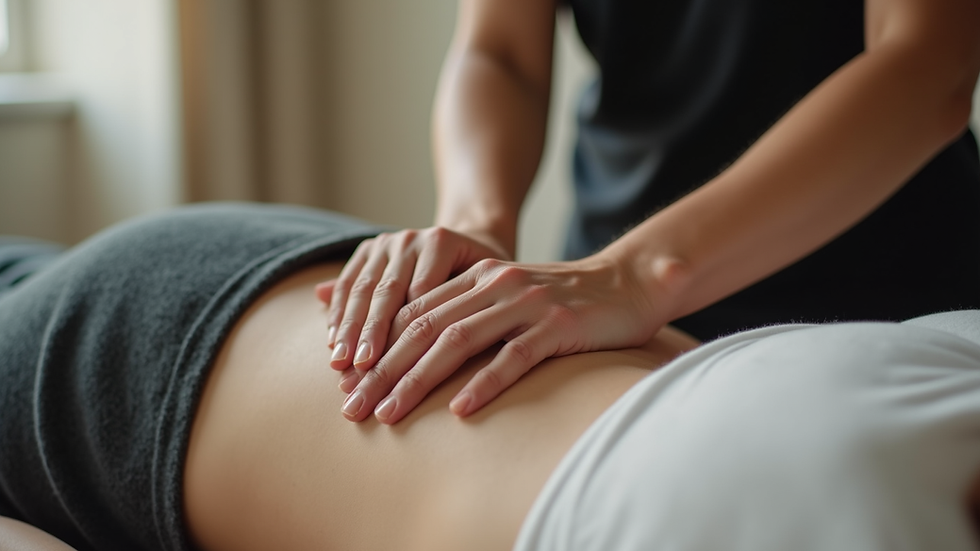
Exploring Myotherapy Techniques
There are several techniques used in restorative myotherapy, each designed to help your body heal and function better. Here are some of the most common ones:
Trigger Point Therapy: This involves applying pressure to tight knots in muscles that refer pain to other areas. Releasing these points can reduce pain and improve movement.
Deep Tissue Massage: Focuses on the deeper layers of muscle and connective tissue to break down adhesions and relieve chronic tension.
Myofascial Release: Targets the fascia, the connective tissue surrounding muscles, to improve flexibility and reduce stiffness.
Stretching and Mobilisation: Helps lengthen muscles and improve joint range of motion.
Dry Needling: Sometimes used to stimulate trigger points and promote muscle relaxation.
Each session is customised to your needs. The therapist will listen to your concerns, assess your body, and choose the best combination of techniques to help you recover.
If you want to experience these benefits firsthand, you can find expert care at body restored ringwood east.
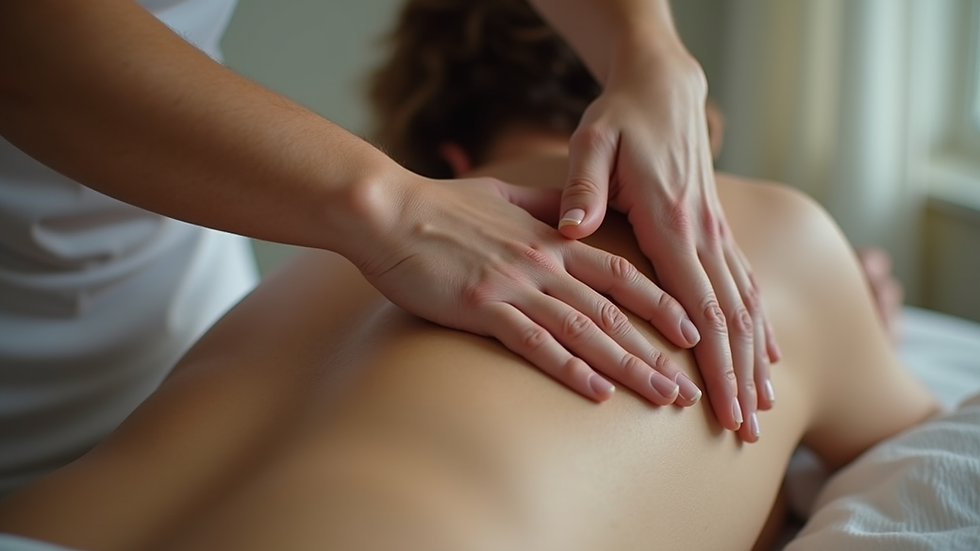
Is Myotherapy Better Than Deep Tissue Massage?
You might be wondering if myotherapy is better than deep tissue massage. The answer depends on what you need.
Deep tissue massage is great for breaking down tough muscle knots and chronic tension. It’s often more intense and can sometimes cause soreness after the session. It’s ideal if you have long-standing muscle pain or injuries.
Myotherapy, on the other hand, is gentler and focuses on healing and balancing the body. It combines techniques that not only relieve pain but also promote relaxation and improve overall function. It’s perfect if you want to reduce stress, improve movement, and prevent future problems.
In many cases, restorative myotherapy will include deep tissue work but also add other techniques to support your body’s recovery. It’s a more holistic approach that looks beyond just the muscles to your overall wellbeing.
How Myotherapy Helps with Pain Relief and Stress Reduction
Pain and stress often go hand in hand. When your muscles are tight and painful, it’s hard to relax. Myotherapy helps break this cycle by addressing both physical and emotional tension.
Here’s how it works:
Releases Muscle Tension: Tight muscles can cause pain and restrict movement. Myotherapy techniques loosen these muscles, reducing discomfort.
Improves Blood Flow: Better circulation helps bring oxygen and nutrients to tissues, speeding up healing.
Reduces Inflammation: Targeted therapy can decrease swelling and irritation in muscles and joints.
Promotes Relaxation: The hands-on nature of myotherapy helps calm your nervous system, lowering stress levels.
Enhances Movement: By improving muscle function and joint mobility, you can move more freely and with less pain.
For example, if you suffer from lower back pain, myotherapy can target the muscles around your spine, hips, and pelvis. This not only eases pain but also helps you regain normal movement patterns, reducing the chance of future injury.
What to Expect During a Myotherapy Session
If you’ve never tried myotherapy before, you might be curious about what happens during a session. Here’s a simple breakdown:
Initial Assessment: The therapist will ask about your pain, lifestyle, and any injuries. They’ll also check your posture and muscle function.
Treatment Plan: Based on the assessment, they’ll explain which techniques they’ll use and what you can expect.
Hands-On Therapy: You’ll lie on a treatment table while the therapist works on your muscles using pressure, stretching, and other methods.
Self-Care Advice: After the session, you might get tips on stretches, exercises, or posture changes to help maintain your progress.
Sessions usually last between 30 to 60 minutes. Many people feel immediate relief, but sometimes it takes a few sessions to see lasting results.
Why Choose Myotherapy in Ringwood East?
Choosing a local expert means you get personalised care from someone who understands your community and lifestyle. In Ringwood East, myotherapy clinics focus on helping people just like you find lasting relief.
Here’s why local myotherapy is a great choice:
Convenience: Easy to access for regular sessions.
Tailored Treatments: Therapists familiar with common local activities and injuries.
Ongoing Support: Building a relationship with your therapist helps track your progress.
Holistic Approach: Combining manual therapy with advice on movement and lifestyle.
If you want your body restored and your pain managed effectively, local myotherapy is a smart option.
If you’re ready to take the next step toward feeling better, consider booking a session with a trusted Myotherapist. With the right care, you can enjoy improved movement, less pain, and a more relaxed body and mind.
Your journey to a healthier, more comfortable body starts here. Don’t wait to experience the benefits of restorative myotherapy techniques in Ringwood East.


Comments